
Our objectives
The Burhan Institute of Research was created to revive the inquiring spirit that once made Muslims strive and shine intellectually and spiritually. The institute was created to showcase the benefits that Islam can bring to people’s lives. It was created to counter to the growing marginalisation faced by Muslims globally. It was created to make Islamic teachings and worldview relevant in the modern world. It was created to help people of faith build confidence in a world that too often takes science at face value. It was created to provide alternatives to taking science as a measuring stick against which all aspects of our lives are evaluated. It was created to help Muslims lift the apparent contradiction between science and religion. It was created to build a network of scientifically oriented people to share their beliefs, experiences, expertise and ambitions. It was created to fosters intellectually and spiritually stimulating research projects.
Our ways
The Burhan Institute of Research is responding to these many concerns by offering activities that bring together science and religion. The underlying assumption is that both revelation and creation have the same origin and the same objective: God. The institute thus seek to benefit from both, science and religion, in unison, to overcome the challenges of this world, to help people fulfil their purpose and achieve closeness to God.
Our identity
The Burhan Institute of Research is unique in the range and type of activities it offers, as well as distinct in the approach it takes: On the one hand, the institute will strive to stays true to the Qur’an, as the final revelation and authentic words of God, and true to the teachings of the Prophet Mohammed, peace and blessing be upon him, as the best role model that ever lived, to better apprehend this world and inspire scientific inquiry. On the other hand, the institute will strive to benefit from the latest technologies and scientific understanding to shine light on the relevance of religious teachings and practices.
Our team
The Burhan Institute of Research benefits from the insight of rigorously trained scientific and religious scholars to offer you a most relevant experience.

Adrien Chauvet, Founder
Adrien Chauvet is an interdisciplinary Muslim scientist dedicated to exploring the interplay between science and religion.
My scientific expertise bridges across the fields of physics, biology, chemistry and engineering. I studied fundamental physics in Strasbourg (France) and pursued a PhD in biophysics at Purdue University (USA, 2012). I then worked as a Marie-Curie fellow in the Lausanne Centre for Ultrafast Science (LACUS) at the Swiss Federal Institute of Technology in Lausanne (EPFL, Switzerland) and as a postdoctoral researcher in bio-photonics at the University of Geneva (Switzerland). In 2016 I was appointed assistant professor of physical chemistry at the University of Sheffield. In 2023, I became associate professor in the School of Mathematics and Physical Sciences at the same institution. In my research, I develops and apply novel laser-based spectroscopies and imaging techniques to characterise and assist the synthesis of novel functional materials; be it solid materials, single molecules, molecular complexes, polymers, as well as whole living organisms.
In parallel to my scientific training, I studied Arabic and the fundamentals of classical Islamic sciences, in person, with local scholars. I was introduced to the fields of ‘Aquida, Tafsir, Fiqu and Usul al-Fiqu with Sheikh Tewfik Choukri, Indianapolis (USA). I was then exposed to Islamic spirituality through Sheikh Abdulwahid Kort, Lausanne, and Imam Hani Ramadan, Geneva (Switzerland). I learned Arabic through various university courses, as well as through intensive online and in person Arabic language programs. Benefiting from my scientific and Islamic upbringing, I invested myself in the field of science and religion, and, for the past decade am dedicated to researching, writing, delivering lectures, and organising events on the topic.
#DrAdrienChauvet
https://dradrienchauvet.com

Amina Shareef, Co-Director
Amina Shareef is a researcher, educationalist, and social scientist of islamophobia, using religion as a framework to understand our lived experiences.
My research seeks to understand how Muslim people are unmade as tawhidic subjects—subjects forged in relation to tawhidic worldview in which there is no god but God—and remade as liberal subjects by anti-Muslim racism.
#AminaShareef1
https://aminashareef.com
Our advisory board
To ensure the highest quality of research and services provided, the Burhan’s activities are overseen by religious and scientific scholars firmly rooted and established in their respective fields.
Scientific advisors
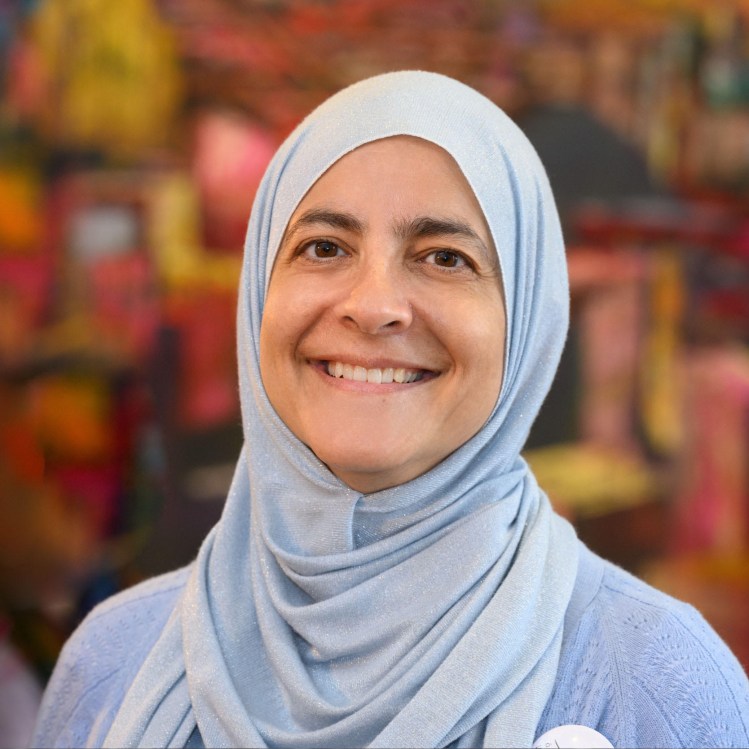
Prof Rana Dajani is currently a Yidan Global Fellow at Harvard Graduate school of Education, a professor of molecular biology at the Hashemite University in Jordan.
Her area of expertise is epigenetics and biomarkers of trauma among refugees. Through her leadership, she has introduced national and regional stem cell laws and presided over numerous scientific boards and United Nations councils, most recently as the President of the Society for the Advancement of Science and Technology in the Arab World. Visiting professor at Harvard, Yale, MIT, Jepson School of Leadership and Cambridge.
A tireless supporter of building indigenous research capabilities in the developing world and creating a mentoring program to support women scholars in STEM that was recognized by the National Academy of Sciences.
Rana is a social entrepreneur and global thought leader. She is the founder of We Love Reading, a grassroots initiative to create changemakers in underserved communities by fostering a lifelong love of reading. A recipient of the UNESCO International Literacy Prize, We Love Reading has established more than 8,000 locally run libraries in over 70 countries.
Rana has also been recognized as a Fulbright, Eisenhower, Robert Bosch, Ashoka and Yale Morse Fellow. On the list of the 100 most influential Arab Women and receiving the Jacobs social entrepreneur award, Nansen UNHCR refugee award, and the Schwab Social Entrepreneur Award.
Her 2018 book Five Scarves: Doing the Impossible — If We Can Reverse Cell Fate, Why Can’t We Redefine Success? challenged global policy makers to address ongoing inequities in education and employment, while also putting forward a new paradigm for measuring success in an evolving world.
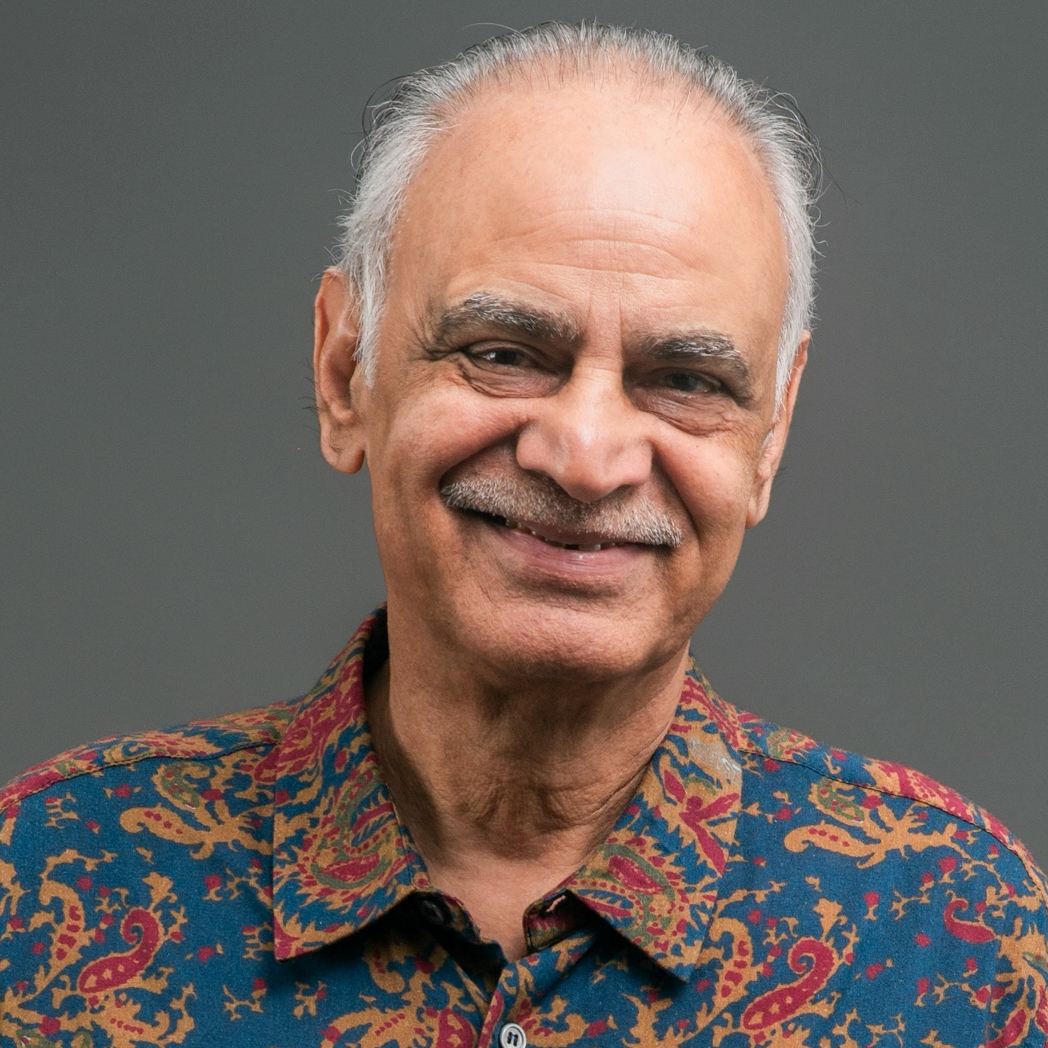
Ziauddin Sardar, writer, futurist, cultural critic and public intellectual, is considered a pioneering writer on Islam and contemporary cultural issues.
He is author of some sixty books, including the international bestseller Why Do People Hate America? and two volumes of highly acclaimed autobiography, Desperately Seeking Paradise: Journeys of a Sceptical Muslim and Balti Britain: A Provocative Journey Through Asian Britain. A collection of his writings is available as Islam, Postmodernism and Other Futures: A Ziauddin Sardar Reader and How Do You Know? Reading Ziauddin Sardar on Islam, Science and Cultural Relations. His latest books are Reading the Qur’an, Mecca: The Sacred City, A Person of Pakistani Origins and Three Begums: The Women Who Shaped My Life. A former Professor of Law and Society at Middlesex University, he is currently the editor of the influential quarterly Critical Muslim.
Religious advisors
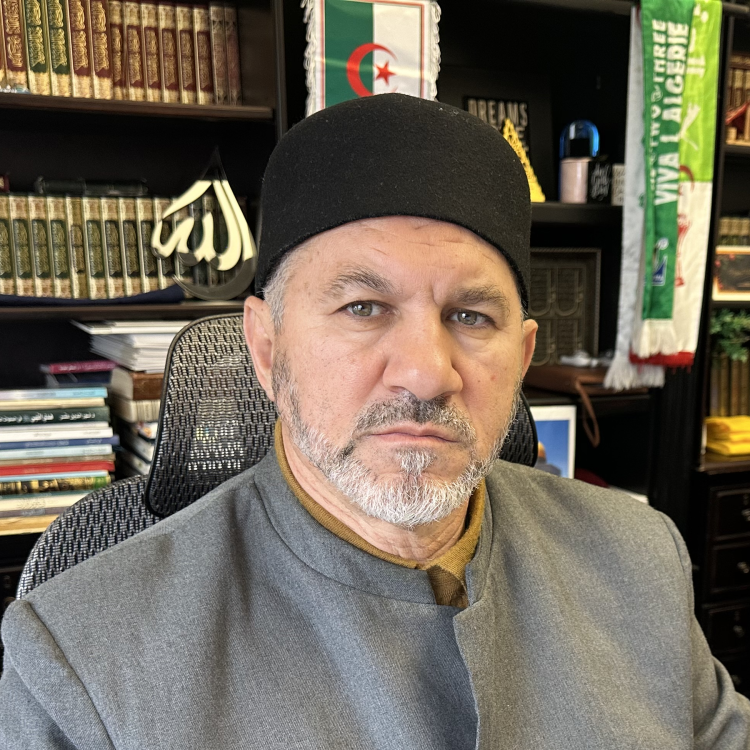
Sheikh Tewfik Choukri is co-founder of the Legacy Learning Center of Indianapolis (IN, USA), where he currently serves as school principal, scholar-in-residence and Imam.
Before dedicating himself solely to teaching and training the next generation of leaders, he was Imam Khatib for about two decades, first in Masjid Ukba Ibn Nafi’, Algiers (Algeria, 1994 – 2000), then at IMCA – Masjid Al Fajr, Indianapolis (IN, USA, 2002-2014).
Sheikh Tewfik specialized in traditional Islamic education, including among others Islamic theology (aqeedah), arabic linguistics, jurisprudence (fiqh) and their principles (usul al-fiqh). He has obtained certifications (Ijaza) in the seven recognized recitations (qira’at) from Sheikh Muhammed Nouri al dirshawi al kurdee (1993).
He was honour to have learned directly from the following scholars: Sheikh Muhammad Noori ad-Dirshawi al-Kurdi (rh) (Mufti & Qaari’ of the 7 recitations, Head of all the Shuyukh in Kurdistan); Sheikh Abdul Qadir Arnaout (Muhaddith of Shaam); Dr. Mustafa Deeb al-Bugha (PhD, Al-Azhar); Dr. Wahba Az-Zuhaili (Dean, University of Damascus); Dr. Said Ramadan Al-Bouti (rh) (Dean, University of Damascus); Dr. Sheikh Imad ad-Deen Ar-Rasheed (Muhaddith and Faqeeh); Sheikh Kariyyim Rajih (Shaykhul Qurraa of Damascus); Sheikh Muhammad Shuqayr (Qari of the 10 recitations, Shafi’ee scholar and Faqeeh); Sheikh Hussein Mahmood Badraan (Scholar of Linguistics, Shafi’ee scholar and Faqeeh); Sheikh Bashir Al-Bari (Khateeb of Masjid al-Umawi and former Mufti of Damascus); Dr. Sheikh Muhammad Al-Yaqoubi (Faqeeh); Sheikh Abdur Rahman Ash-Shaaghuri (Scholar of Tasawwuf and Tarbiyyah).
Through his dedication, he obtained formal certification in the following texts and areas: Minhaj al-Qasideen by Ibn Qudama from Sheikh Abdulrahman Alshaaghouri; Maw’idhatul Mumineen by Jamal ad-Deen al-Qasimi, from Sheik Abdulrahman Alshaghouri; Mughni al-Muhtaj by Imam Ash-Sharbini from Sheikh Aldirshawi; Baa’ithul Hatheeth by al-Hafidh Ibn Kathir from Sheikh Abdelqader Arnaout; Irshad Tullaab al-Haqaa-iq by Imam an-Nawawi from Sheikh Abdelqader Arnaout; Bayqunniyyah al-Majmoo’ by Imam an-Nawawi; Al-Furooq by Imam al-Qaraafi from Sheikh Dib Albugha; Bidayat al-Mujtahid by Ibn Rushd from Sheikh Imad Alrashid; Ulum al Hadeeth by Ibn Salaah from Sheikh Albugha; Sahih Muslim from Sheikh Altunisi; Sahih Bukhari from Sheikh Mustafa Deeb Al Bugha; Jam’ al-Jawaami’ in Usul al-Fiqh by Ibn Subki from Sheikh Dirshawi; Al-Kafiya for Ibn Hajib, Mulla Jami; Elfiya of Ibn Malik; Jamia Duroos al-Arabiyyah by Ghalaini; Al- Mughni by Tchar Purdi; Mughni Muhtaj by Imam Sharbini; al-Shamsiyya; and others.
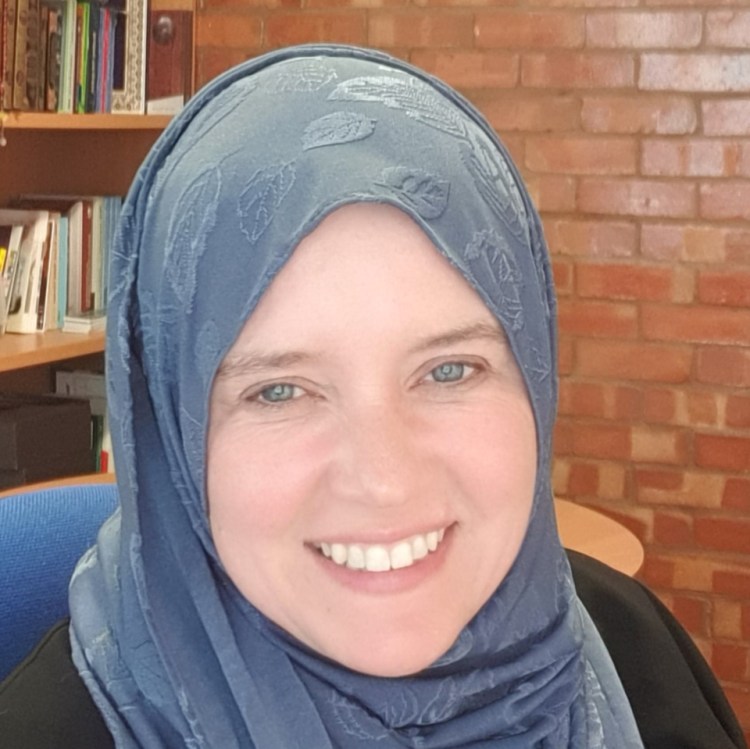
Ustadha Ameena Blake (Sheffield, UK.) is a Muslim scholar with a Masters degree in Islamic Studies. Other qualifications include: BA English Studies, PG in Teaching & MSc in Leadership and Management.
She is a Director of the EHUK women’s refuge project. She also serves as a Chaplain in The University of Sheffield, South Yorkshire Police & lectures in Islamic Studies at Markfield Institute of Higher Education.
Ustadha teaches across the globe at, courses & conferences as well as on social media and is a regular on Islam Channel. She is an instructor for Al Balagh Academy, Roots Academy and the Lead Program.
Ustadha has sat on several Mosque boards over the past two decades and served as ASG of the Muslim Council of Britain as well as sitting as an Islamic advisor on various platforms.
She was given the Beacon Mosque, Most impactful Aalimah award in 2022 and is part of the Sheffield University Inspirational Women 2024.
Burhan Institute of Research provides engaging activities that makes Islam relevant in the modern age.
Get involved
Reach out so we can work together to make this world a better place. Contact us and sign up to stay up to date with our activities.
Your message has been sent

Support us
There are many ways to support the enriching activities provided by Burhan Institute of Research. You could host workshops or lectures, and sponsor students and materials.

Follow us
Promote the good work by following and sharing the activities of the Burhan Institute of Research.